
A view of the Picos de Europa – the ‘Peaks of Europe’.
Our travels this summer, while predominantly and typically spent in the UK, took us to Northern Spain to visit family. It was within the Picos de Europa National Park that we spent our stay, an area of around 650km2 of mountain and forest country, rising at its highest to over 2600m and remote enough to still harbour such embodiments of the wild as the wolf and brown bear. It is a fabulous place.
While our stay could not provide us with any realistic opportunity of even an off chance of finding such elusive and enigmatic denizens as those just mentioned, it did nevertheless allow us a glimpse of the natural riches of this wild and wonderful location.

Standing over a metre tall and with a wingspan of as much as 2.6 metres, the griffon vulture (Gyps fulvus) is a big bird. I had never seen before, but was thrilled to encounter on several occasions during our trip. Against a clear sky, or the huge landscapes of the Picos, it was often difficult to grasp their size, but on one occasion a raven (a bird of not inconsiderable dimensions) came into view, appearing as a jackdaw might beside a buzzard. They are loosely colonial, cliff-edge or cave nesters in precipitous mountain country and I was more than once mesmerised at the sight of half a dozen or more birds floating over our accomodation on the warming morning air.
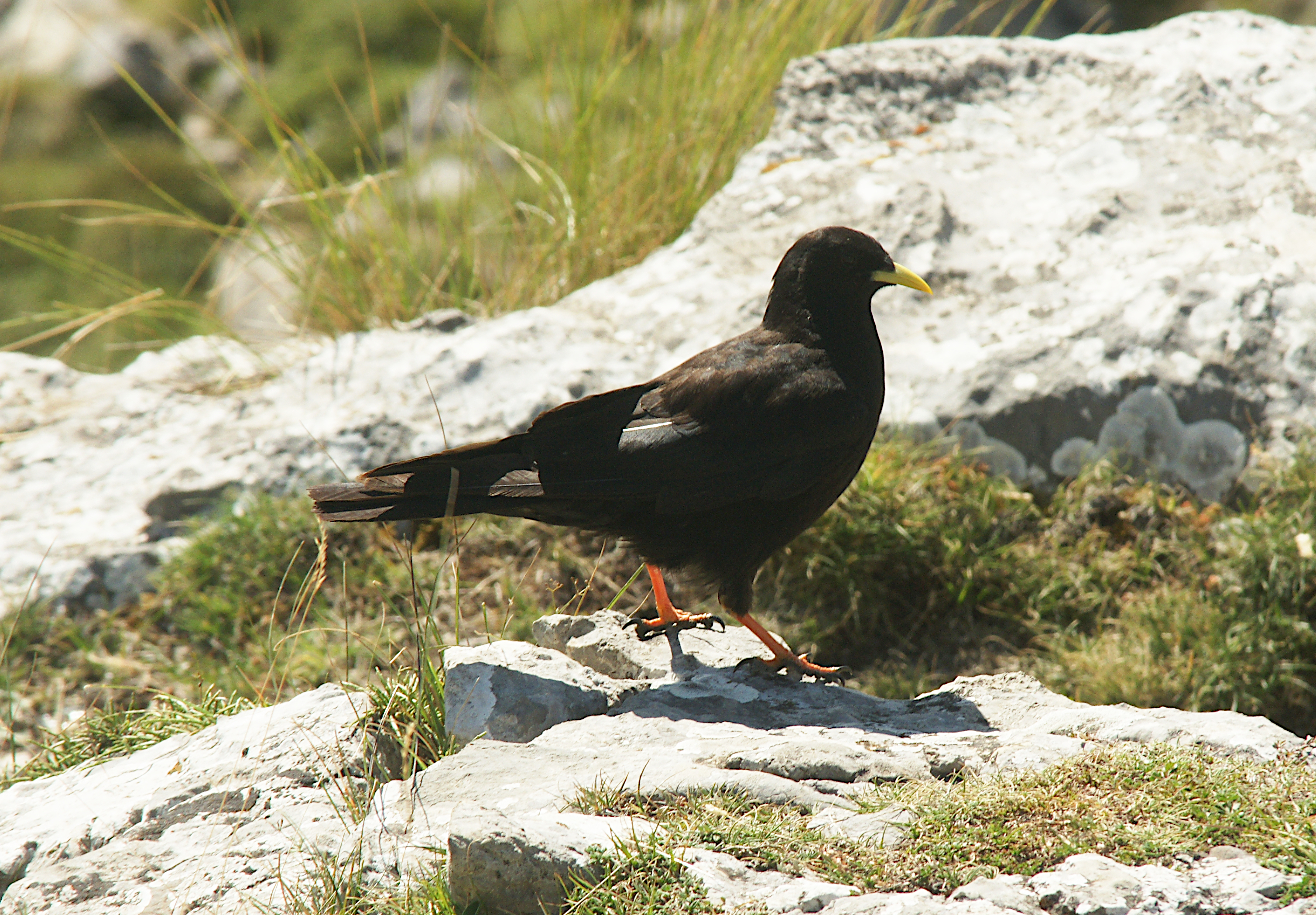
Touching on the subject of crows, the alpine (or yellow-billed) chough (Pyrrhocorax graculus) is a bird similarly devoted to the lofty mountain realms, but offering a rather different experience than those loafing vultures. These small crows are firmly gregarious and highly active birds. Often fearless, yet perpetually restless, they will offer close views as they swoop past the watcher in little flocks, emitting all the while their curious, buzzing calls as the do so.
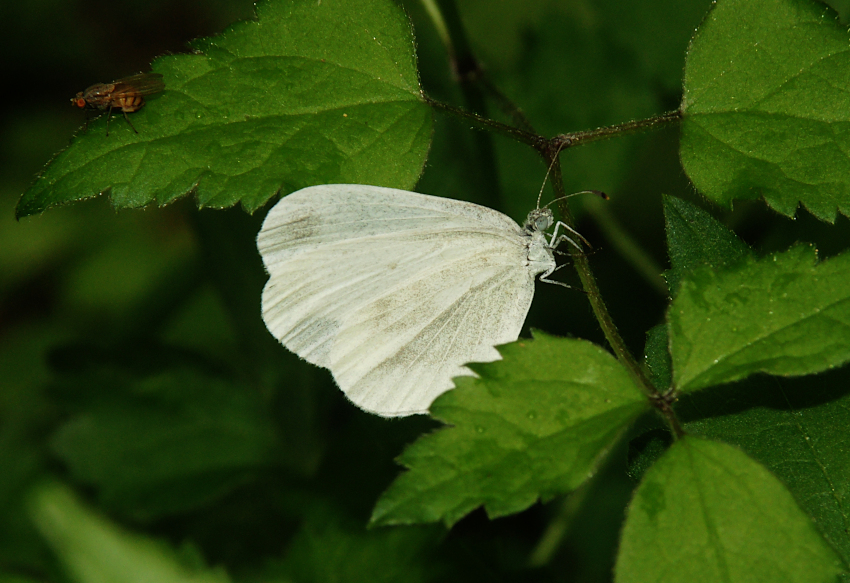
In the UK the wood white (Leptidia sinapis) is among the rarest of butterflies, a species which I had only ever seen once before. It was quite the novelty then, to find them almost commonplace our Spanish travels. They are characterised by a slow, rather deliberate flight, yet they can all the same be maddeningly active, especially a male searching for a mate. A frustration though, only for the photography; their presence was a delight.
 essex naturalist
Leave a comment